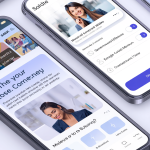
In today’s digital world, mobile devices have become the primary way people access the internet. From shopping online and browsing social media to searching for local businesses and reading blogs, users now spend more time on smartphones and tablets than on desktop computers.
Because of this shift in user behavior, mobile-friendly web design is no longer optional — it is essential for business success. A website that does not work properly on mobile devices can negatively affect user experience, search engine rankings, and conversion rates.
In this blog, we’ll explore why mobile-friendly web design is important and how it helps businesses grow online.
What is Mobile-Friendly Web Design?
Mobile-friendly web design refers to websites that automatically adapt and function smoothly on smartphones, tablets, and different screen sizes.
A mobile-friendly website ensures that:
- Content is easy to read
- Navigation works properly
- Images fit the screen
- Buttons are touch-friendly
- Pages load quickly
- Users can browse without zooming or horizontal scrolling
Modern responsive web design allows websites to provide a seamless experience across all devices.
Why Mobile-Friendly Design Matters
1. Mobile Users Dominate Internet Traffic
A large percentage of global internet traffic now comes from mobile devices. Most users browse websites directly from their phones while:
- Shopping online
- Searching for services
- Reading articles
- Watching videos
- Using social media
If your website is not optimized for mobile users, you risk losing a significant portion of potential customers.
2. Google Prioritizes Mobile-Friendly Websites
Google uses mobile-first indexing, meaning it primarily evaluates the mobile version of your website for search rankings.
Mobile Optimization Helps:
- Improve SEO rankings
- Increase search visibility
- Boost organic traffic
- Reduce bounce rates
Websites that are difficult to use on mobile devices may rank lower in search results.
Better User Experience Increases Engagement
User experience is one of the most important factors in website success.
A mobile-friendly website creates:
- Faster navigation
- Easier browsing
- Better readability
- Improved accessibility
- Higher customer satisfaction
Visitors are more likely to stay on websites that are smooth and easy to use on their smartphones.
Mobile-Friendly Websites Improve Conversion Rates
A poor mobile experience can quickly frustrate users and drive them away.
Mobile Optimization Helps Increase:
- Product sales
- Contact form submissions
- Phone calls
- Service inquiries
- Newsletter signups
Businesses with responsive websites often achieve better conversion rates because customers can interact with the website more easily.
Faster Website Speed Matters
Mobile users expect websites to load quickly. Slow-loading websites can negatively impact both user experience and SEO.
Fast Mobile Websites Help:
- Reduce bounce rates
- Improve engagement
- Increase customer retention
- Boost search rankings
Website speed optimization is a major part of modern mobile-friendly web design.
Responsive Design Builds Brand Credibility
A professional mobile experience helps businesses appear more trustworthy and modern.
Poor Mobile Design Can Make Businesses Look:
- Outdated
- Unprofessional
- Unreliable
Customers often judge a company’s credibility based on the quality of its website.
Key Features of a Mobile-Friendly Website
1. Responsive Layout
The website automatically adjusts to different screen sizes.
2. Fast Loading Speed
Optimized performance improves user experience and SEO.
3. Easy Navigation
Menus and buttons should be simple and touch-friendly.
4. Readable Content
Text should be easy to read without zooming.
5. Optimized Images
Images should load quickly while maintaining quality.
6. Click-to-Call Features
Important for local businesses and service providers.
7. Mobile-Friendly Forms
Forms should be easy to complete on smaller screens.
Mobile-Friendly Design Helps Local Businesses
Many local searches happen on mobile devices.
Examples:
- “Restaurants near me”
- “Best web design agency”
- “Emergency locksmith”
- “Local plumber”
Mobile-friendly websites improve local SEO performance and help businesses attract nearby customers.
Common Mobile Design Mistakes
Many businesses lose customers because of poor mobile experiences.
Common Problems Include:
- Tiny text
- Slow loading speed
- Broken layouts
- Difficult navigation
- Popups blocking content
- Unoptimized images
- Small buttons
Avoiding these mistakes can dramatically improve user satisfaction and engagement.
Mobile Commerce is Growing Rapidly
Online shopping through smartphones continues to grow every year.
Mobile-Friendly eCommerce Benefits:
- Easier product browsing
- Faster checkout process
- Better shopping experience
- Increased online sales
Businesses without mobile-optimized stores risk losing customers to competitors.
The Future of Mobile Web Design
Mobile technology will continue evolving, making responsive design even more important.
Future Trends Include:
- Progressive Web Apps (PWAs)
- Voice search optimization
- AI-powered mobile experiences
- Gesture-based navigation
- Faster mobile performance
- Personalized mobile content
Businesses must stay updated with modern web technologies to remain competitive.
Why Businesses Should Invest in Mobile-Friendly Design
A responsive website is an investment in long-term business growth.
Benefits Include:
- Better SEO rankings
- Increased traffic
- Higher engagement
- Improved customer trust
- Better conversion rates
- Stronger brand image
Mobile-friendly web design helps businesses deliver better digital experiences while improving online visibility and sales.
Final Thoughts
Mobile-friendly web design is no longer just a design trend — it is a critical requirement for modern business success. As mobile internet usage continues to grow, businesses must ensure their websites are optimized for all devices.
A responsive, fast, and user-friendly website improves SEO, customer experience, brand credibility, and overall business performance.
At Digipixi Technology, we help businesses create responsive, high-performance websites designed for the modern digital world. From WordPress development and UI/UX design to SEO optimization and speed improvements, we build websites that drive real results.